Published on 28th Mar 2018 –
Updated on 15th Aug 2022
🌲 Forestry & Woodibot: Revolutionizing Forestry Logistics
Through Autonomous Navigation & Conversational AI
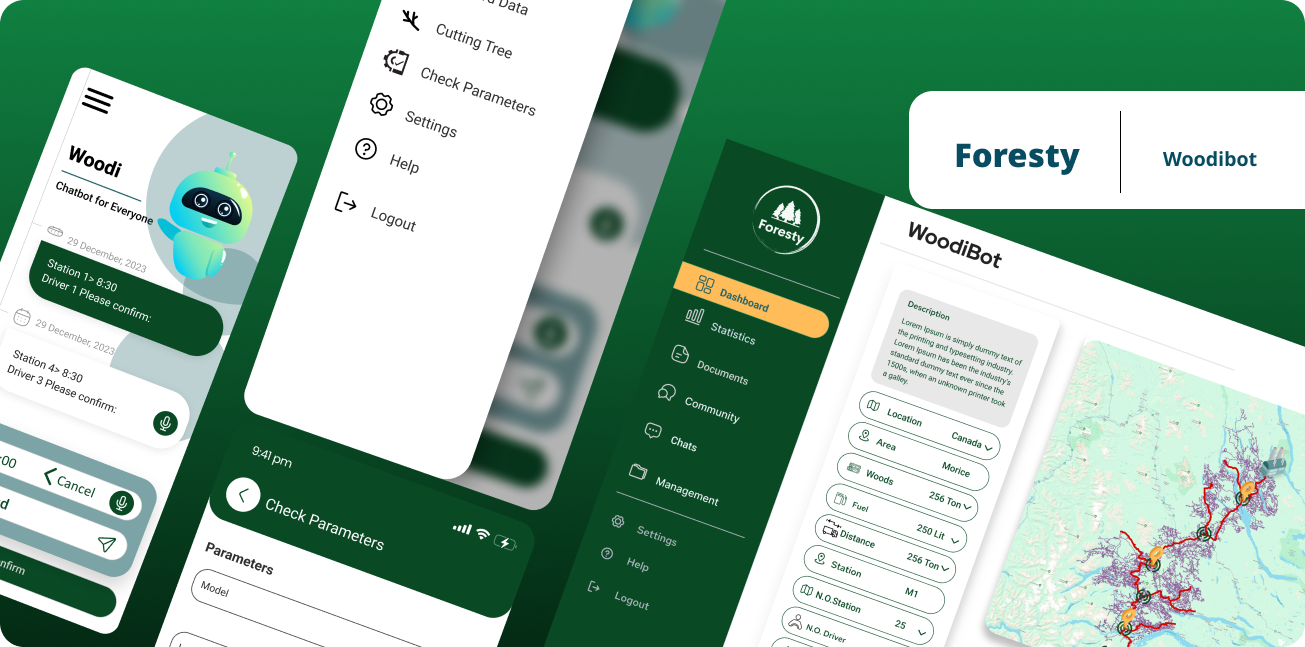
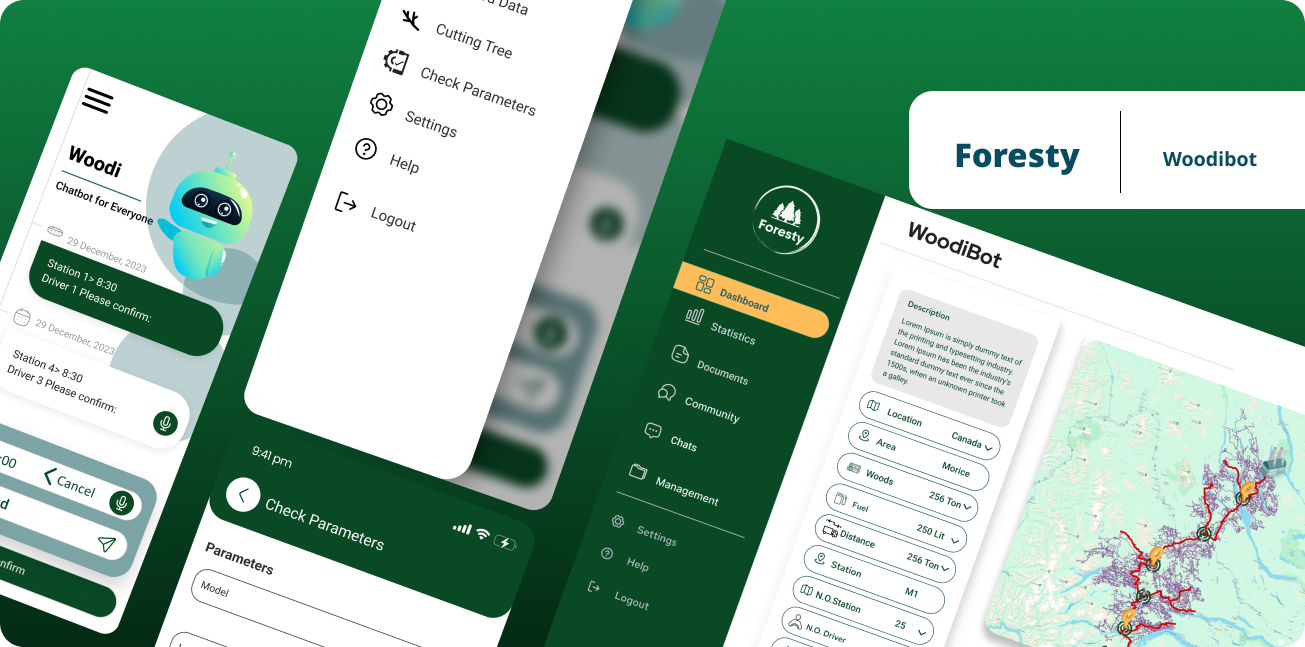
Foresty App Interface – Woodibot Autonomous Navigation System
A user-centered web application leveraging GPS, ML algorithms,
and conversational AI to automate wood harvesting navigation,
reduce environmental destruction, and optimize forestry
logistics through human-AI collaboration.
My Role
Lead UX Researcher & Designer - Conducted
scenario-based design, expert reviews, usability testing,
and web application prototyping
Participants
10 experts (9 Forest Engineers, 1 Logistics Engineer) from Iran and Germany, ages 25-54
10 experts (9 Forest Engineers, 1 Logistics Engineer) from Iran and Germany, ages 25-54
Methods
Scenario-based design, observation, usability testing,
expert review, click prototyping evaluation
Impact
25-40% reduction potential in transport costs, minimized
forest destruction, optimized route planning
The Problem: Inefficient & Destructive Forestry
Logistics







Traditional Process Breakdown
Step 1: Logistics company receives location data from forestry company (maps with wood pile locations, quantities, quality)Step 2: Drivers receive printed paper with informationStep 3: Vehicles proceed to forest based on outdated/inaccurate dataStep 4: Drivers discover discrepancies, make unproductive trips, cause unnecessary forest damage
Step 1: Logistics company receives location data from forestry company (maps with wood pile locations, quantities, quality)Step 2: Drivers receive printed paper with informationStep 3: Vehicles proceed to forest based on outdated/inaccurate dataStep 4: Drivers discover discrepancies, make unproductive trips, cause unnecessary forest damage
METHODOLOGY
In our research method, first, we used a scenario-based design
to create two scenarios: abnormal and normal days, to understand
the process of interaction between human and autonomous systems.
After that, we prototyped and designed the first version of the
application, called Foresty. In the following testing, the
present study used a combination of observation, usability
testing, and expert review. Participants monitored our work as
experts, and I presented the task and UI responsibility for wood
harvesting. We encouraged them to express their ideas while
actively using and explaining the prototype tool. Then, we asked
some questions related to our prototype to understand the
weaknesses and strengths of our platform. After that, we asked
the participants working with click prototyping of the Foresty
app to give us feedback.

Fig 1. Research Framework to develop Foresty application
Participants
In this study, a total of 10 experts between the ages of 25 and
54 participated in the usability test and expert reviews
approaches. They were selected from two countries including Iran
and Germany. Following the sharing of information to over 300
experts in the forest engineering and logistics engineering
fields via email and social media, I proceeded to conduct
interviews with a total of 10 experts. Among these experts, 4
had Master's degrees, 4 held Ph.D.s, and 2 were professors.
Master's students were regarded as experts in the two
situations. Firstly, they engage in the completion of a master's
thesis. Secondly, they must have a minimum of 2 years of
experience in the forest industry. The mean age is 32.8 years,
with one female and nine males. Nine of the participants are
experts in Forest engineering and 1 of them is from Logistic
engineering. The interviews, observations, and usability tests
were done in Zoom and Google Meet. The list of participants is
shown in Table1.

In this case, first, we use a Scenario-based design for guiding
by usability evaluation throughout development. we develop two
different scenarios for a normal day in logistic forestry and a
day with lots of problems in the process of collecting wood.
Each narrative serves as a test case for analytic evaluation;
each claim hypothesizes usability outcomes for one or more test
cases. Based on our story, we recognize different personas that
should be considered during prototyping. Design scenarios are
also evaluated more directly through empirical usability
studies.

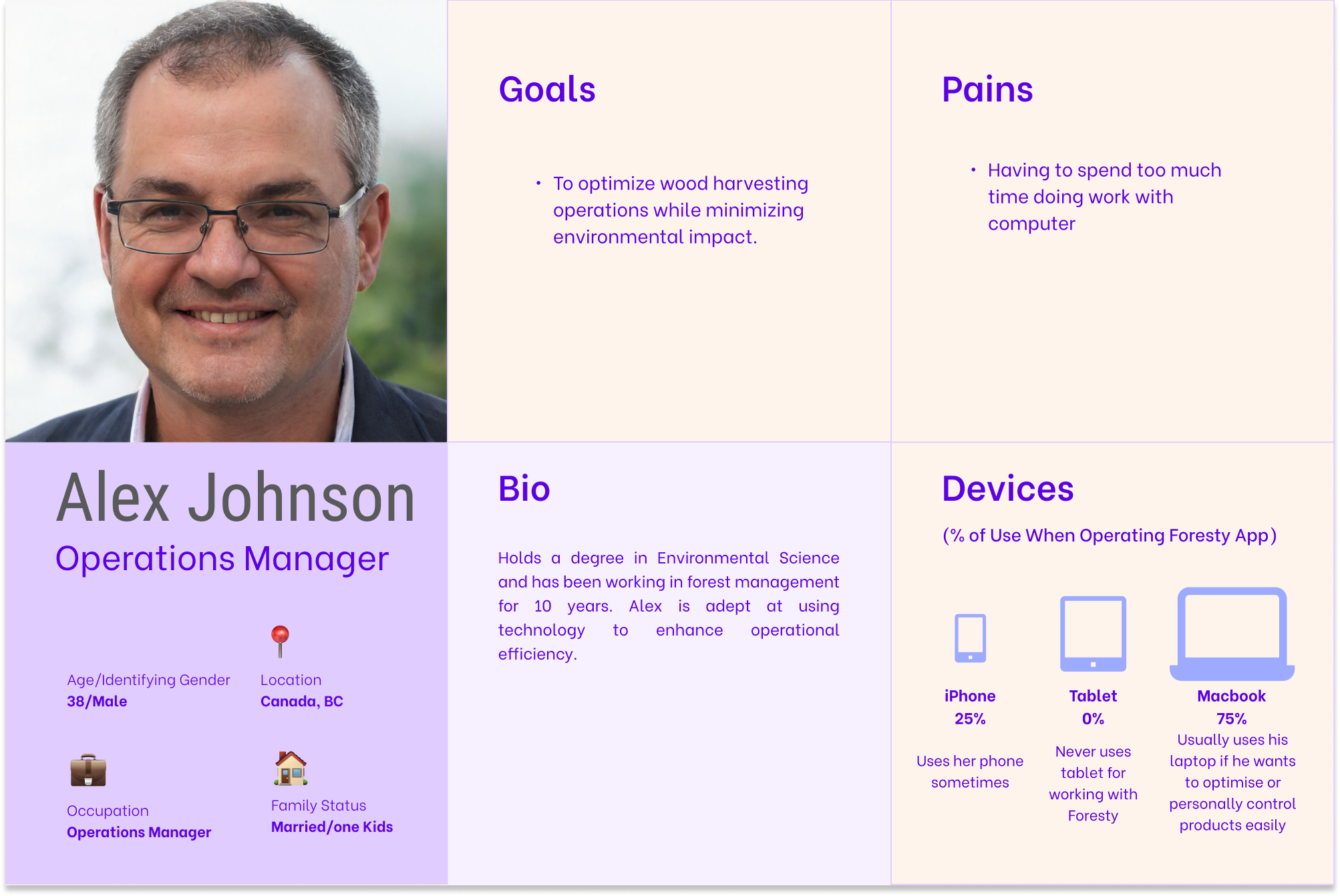

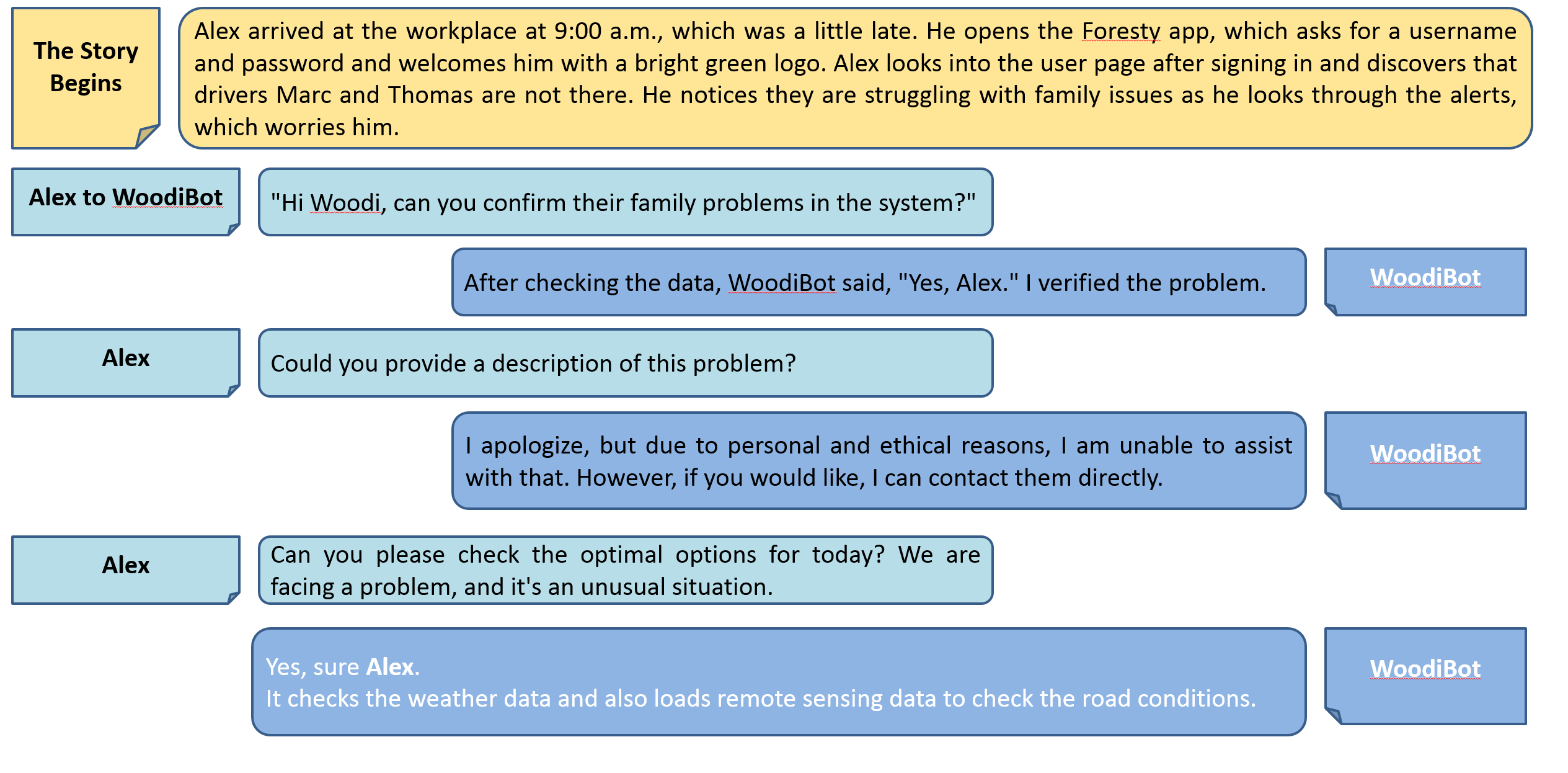
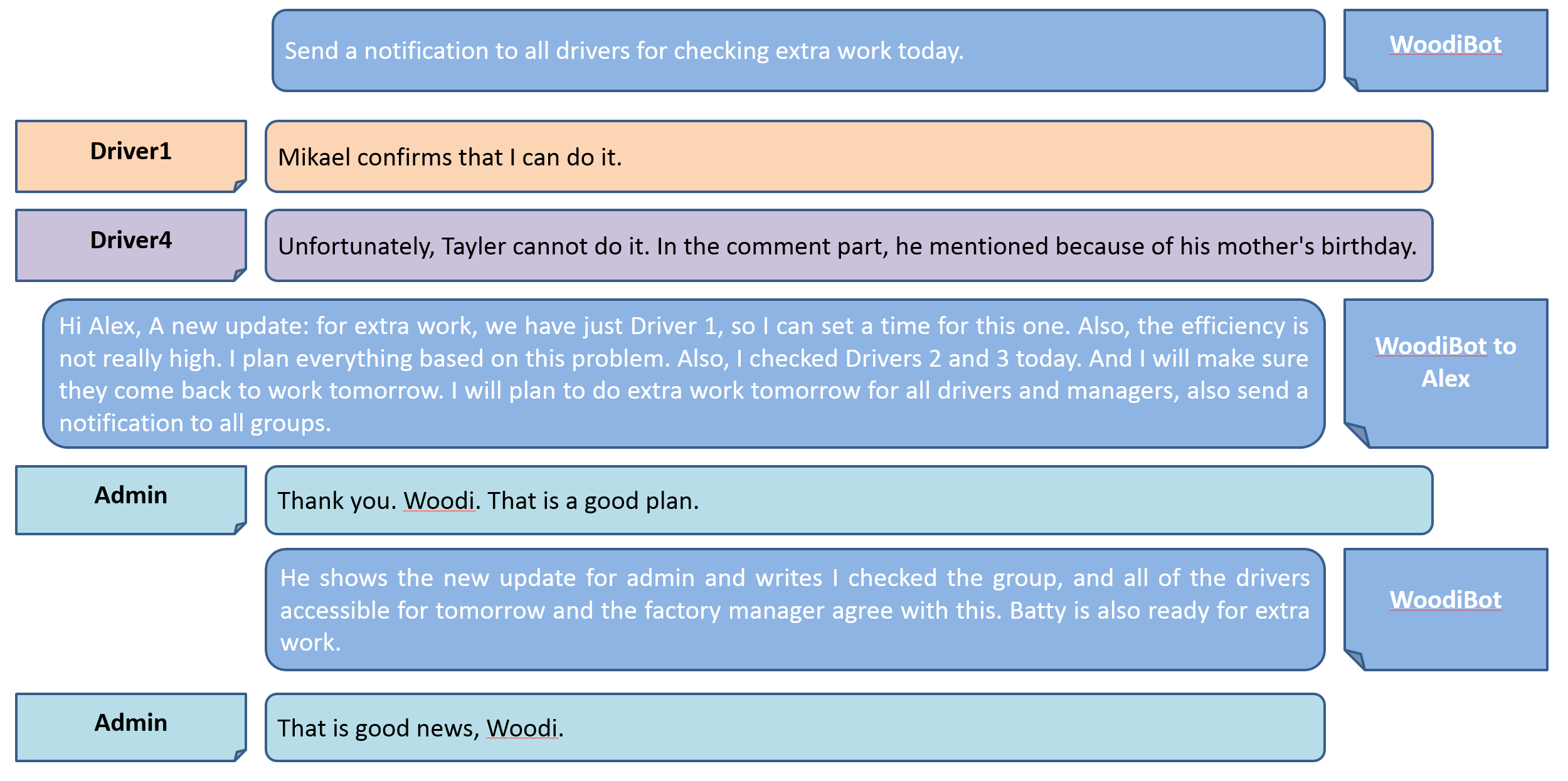
Fig 2-4. Personas for Foresty Application (Driver, Station Manager, Admin)
The abnormal Day scenario describes a challenging day in timber
supply transportation in Morice, Canada, featuring a team (our
personas) including drivers Michael, Thomas, Marc, Taylor, admin
Alex, WoodiBot (a chatbot), station manager Betty, factory
manager Hossain, and mechanical engineering manager David. The
day starts with Alex discovering absences due to family issues
and using WoodiBot to manage logistics. Despite these
challenges, including a mechanical breakdown and staffing
issues, the team managed, with WoodiBot coordinating driver
efforts and managing the collection and transportation of wood,
ensuring the day's objectives were met through effective
communication and technology utilization. Our scenario
illustrates problem-solving by using human-AI communication and
collaboration in an autonomous system in the face of unexpected
obstacles, highlighting the importance of flexibility and
digital tools in logistics forestry. Bellow you can see, a part
of the communication between Woodibot in the Forsty application
and different users:
Fig 5. Communication between WoodiBot and users during abnormal day scenario
The Normal Day scenario, involves a smoothly operating team,
including drivers like Mikael, admin Alex, and WoodiBot, a
chatbot facilitating interactions. The day starts with routine
checks and progresses with efficient wood transportation, thanks
to effective planning and communication through the Foresty app.
WoodiBot plays a key role in optimizing operations, and ensuring
targets are met. This scenario highlights the effectiveness of
technology and teamwork in daily logistics management.
Fig 6. Communication between WoodiBot and users during normal day scenario
Based on the scenarios derived from our study, interaction
during the harvesting process can be described in three steps.
First, before wood transportation begins, all drivers announce
their readiness in the system. The Forestry app displays this
notification to the administrator and sends a request to
Woodibot. After the first driver receives the prompt to
proceed to the first station, the second round begins. In the
second step, as drivers travel to the wood station to load
timber, Woodibot guides them to the correct station, manages
their time, and assists with different tasks during driving.
Finally, once the truck is fully loaded, the third step
begins: the driver transports the harvested wood from the
station to the factory. Woodibot connects the driver with the
factory, reports progress to the main administrator, and
coordinates the overall process. The complete workflow is
illustrated in the figure below.
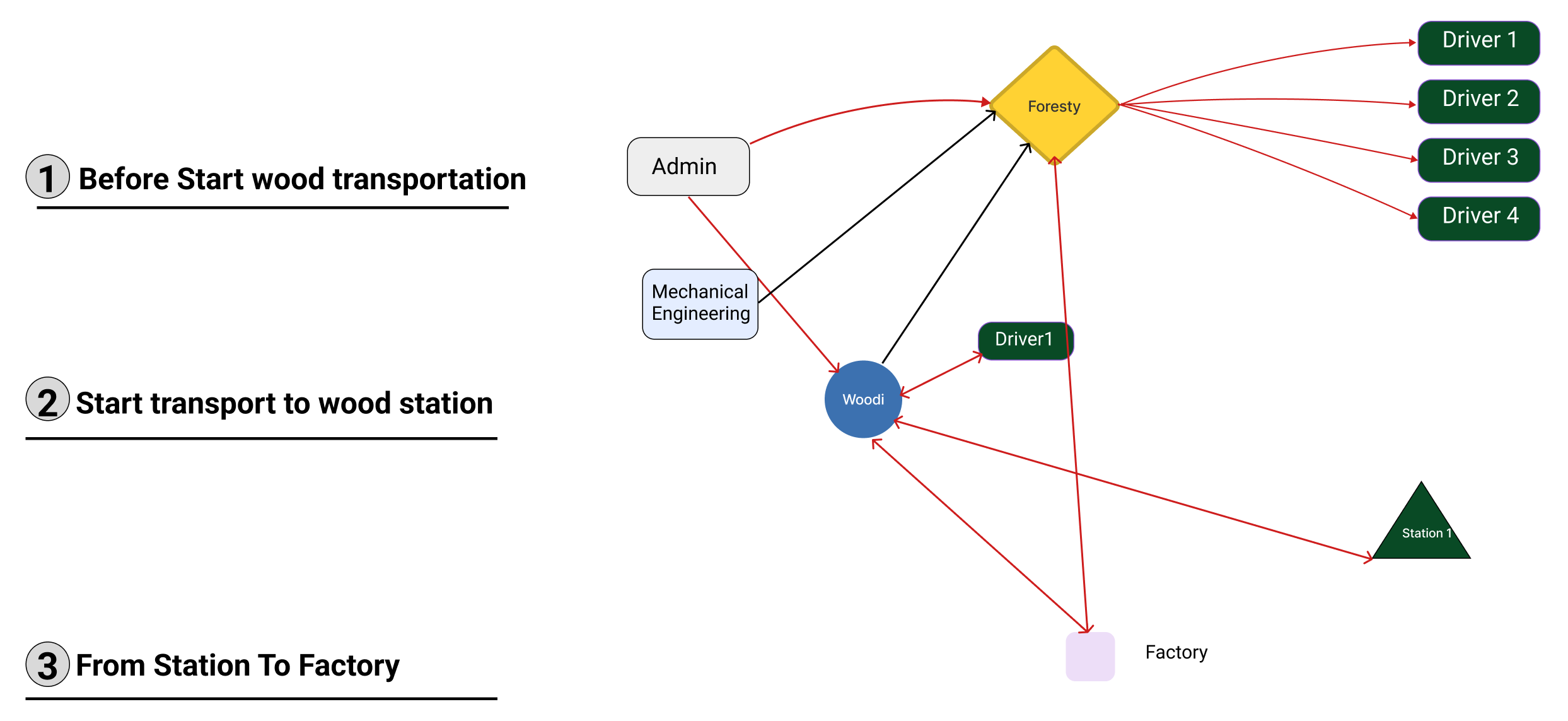
Fig 7. The process for Transporting harvested wood from
Forest to Factory
Below, you can see the core of the Forestry app (Woodibot),
which is used for communication and collaboration among users.
The Manager of Mechanical Engineering is the primary user
interacting with the AI system. Drivers and Station Managers
form the secondary user group. Voice and text are the main
interaction tools, enabling communication and coordination
between different users and the AI.
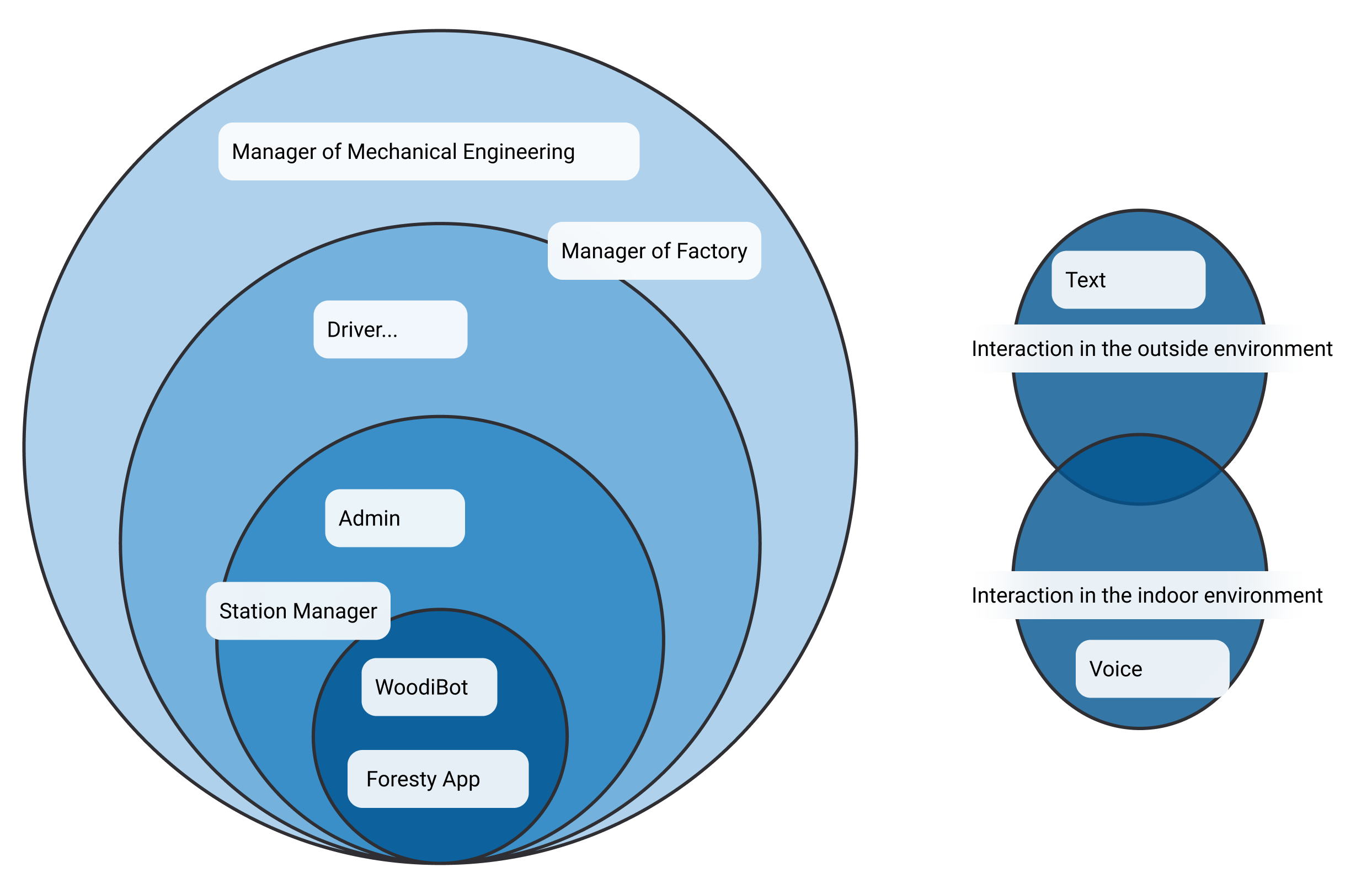
Fig 8. Interaction between different Users and AI-System
The figure illustrates the high-level system architecture and
interaction flow of the Forestry application, centered around
the Woodibot AI system. The diagram shows how different user
roles—including administrators, factory managers, station
managers, and drivers—communicate with the system through the
Forestry app. Woodibot acts as the core intelligent agent,
coordinating information exchange, task management, and
decision support across stakeholders. Multiple interaction
modalities, such as text, voice, and visual inputs, are
supported to enable real-time communication during forestry
operations. This architecture highlights Woodibot’s role as an
intermediary between human users and operational processes,
ensuring efficient coordination, monitoring, and reporting
throughout the harvesting and transportation workflow.
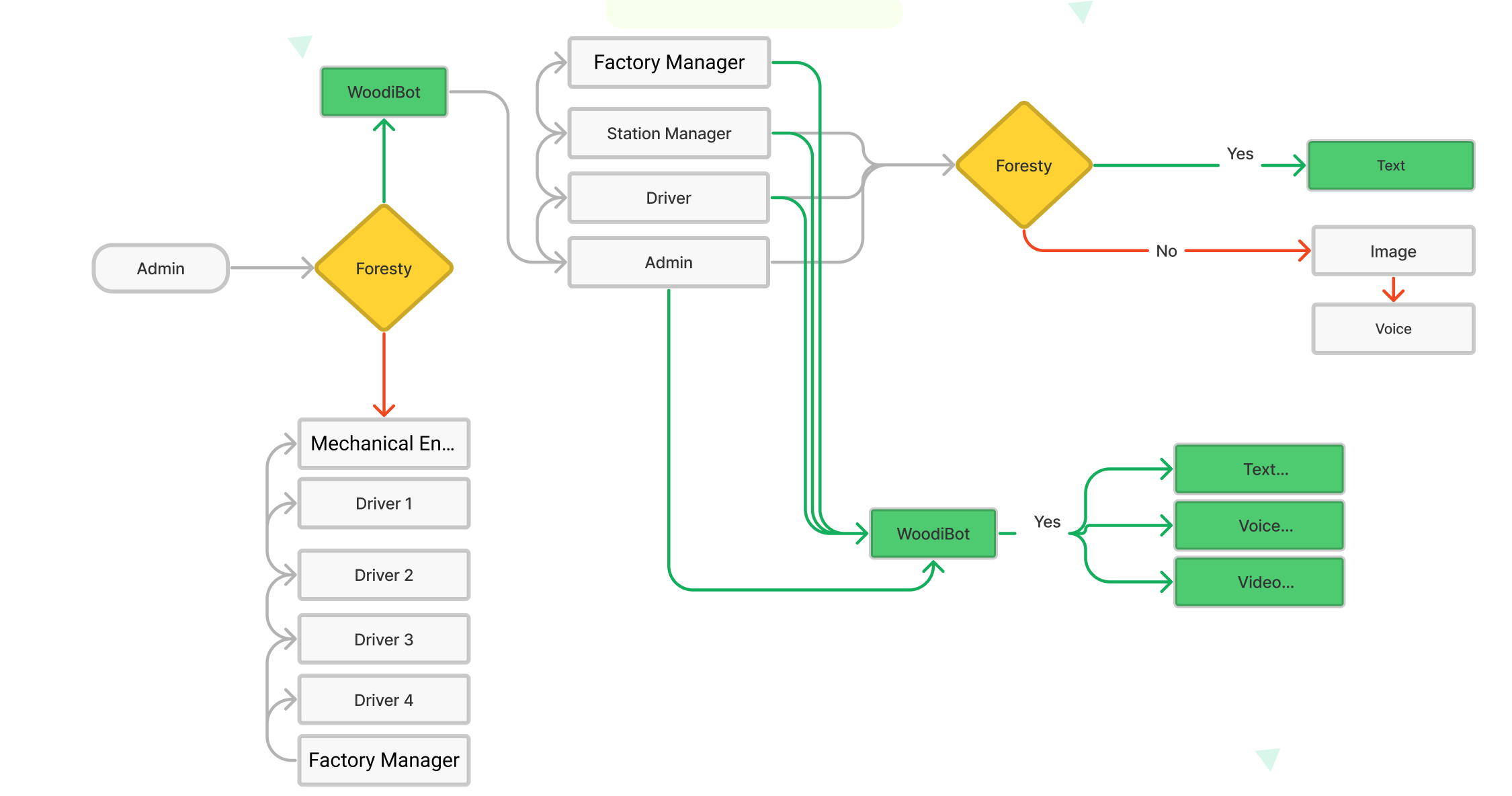

Fig 9. High-Level System Overview Diagram
Expert Review
Complex Process Harvesting Woods
The complexity of wood harvesting in forest environments
is multifaceted and has significant implications for
biodiversity and forest management strategies. Participant
P4 described the harmful effects of the group-cut method,
stating: “There are numerous ways to gather wood in
forests, such as the group-cut method, which involves
completely removing all of the trees in a given area.
Forest experts have determined that this method is harmful
to the biodiversity and texture of the forest.” P4 further
explained the evolution of harvesting techniques,
emphasizing the need for more sustainable approaches. As
noted, “Later, more contemporary techniques of wood
harvesting were utilized, although they were deemed less
successful. This approach harvests wood depending on the
tree’s diameter and other factors.”
The strategic placement of harvesting stations was also highlighted by P4, who explained that harvesting estimates are based on parcels ranging from 50 to 100 hectares. According to the participant, “In certain years, they gather wood depending on its overall volume. So it is preferable to position the stations in the parcels.” This reflects a deliberate effort to balance productivity with minimizing ecological disruption.
In addition, P6 introduced a digital tool feature aimed at supporting sustainable forest management: “The application also allows you to specify the quantity of afforestation daily in the region. For example, we may prepare for future years by knowing what areas have been affected this year.” This functionality underscores the importance of long-term planning and foresight in conservation practices.
Logistical challenges related to wood transportation were described by P7, who compared two types of machinery: “Wood is frequently transported using two trucks: Timberjack and Zetor. One of these devices has rubber wheels, while the other uses chain wheels.” The participant further emphasized route optimization, stating: “It is preferable to attempt to develop a shorter path for transporting the timber, and the proposed routes should be placed in areas with less forest cover.”
Seasonality emerged as another critical factor in harvesting practices. P8 noted, “Another key consideration is the duration of exploitation. I believe fall is the optimum period for exploitation.” In contrast, P4 emphasized winter as the most suitable season for harvesting, explaining: “The harvesting season is an essential feature that should be included in the tool, because the finest harvest season is in the winter. Harvesting is limited during seasons when the tree is awake and expanding due to the significant harm inflicted on forest tissue.” These insights highlight the importance of incorporating seasonal awareness into harvesting planning to reduce environmental damage.
P10 provided a broader, international perspective on harvesting strategies and their environmental consequences, noting: “Different nations have different strategies for removing trees… In Germany, they rapidly learned that this approach had several environmental consequences and passed legislation prohibiting this form of harvesting.” The participant also emphasized the role of human and mechanical resources in shaping forest outcomes: “The changes in forest texture are not coming from the forest side… rather, they are the result of human and mechanical capabilities.” Furthermore, P10 highlighted the importance of data in managing harvesting operations, stating: “The manager is responsible for data reporting… while the administrative manager needs data on human concerns, logistics, and the types of machines and their support.”
Beyond operational concerns, participants emphasized the need for forestry tools to adapt to regional and national contexts. P3 underscored the importance of flexibility: “It is feasible to employ tools in various ways depending on the circumstances in that nation, because each country has a unique forest and planting and harvesting processes.” Similarly, P9 stressed regulatory alignment: “When this tool is produced, it should be adjusted to the legislation of that nation.” P8 further noted variations in monitoring requirements across countries, explaining: “This technique may vary from independent monitoring depending on the situation in each nation. As a result, in certain nations, additional monitoring is needed to determine which trees should and should not be felled.” The mention of surveillance technologies, such as CCTV in some regions, illustrates how forestry management tools must accommodate diverse legal, ecological, and technological contexts.
Together, these participant insights reveal the complexity of sustainable wood harvesting and underscore the need for strategic planning, adaptive technologies, and data-driven management to balance productivity with environmental preservation. Figure X shows a screenshot of the Forestry app highlighting features designed to support sustainable harvesting decisions, including seasonal planning, and route optimization to minimize forest disturbance.
The strategic placement of harvesting stations was also highlighted by P4, who explained that harvesting estimates are based on parcels ranging from 50 to 100 hectares. According to the participant, “In certain years, they gather wood depending on its overall volume. So it is preferable to position the stations in the parcels.” This reflects a deliberate effort to balance productivity with minimizing ecological disruption.
In addition, P6 introduced a digital tool feature aimed at supporting sustainable forest management: “The application also allows you to specify the quantity of afforestation daily in the region. For example, we may prepare for future years by knowing what areas have been affected this year.” This functionality underscores the importance of long-term planning and foresight in conservation practices.
Logistical challenges related to wood transportation were described by P7, who compared two types of machinery: “Wood is frequently transported using two trucks: Timberjack and Zetor. One of these devices has rubber wheels, while the other uses chain wheels.” The participant further emphasized route optimization, stating: “It is preferable to attempt to develop a shorter path for transporting the timber, and the proposed routes should be placed in areas with less forest cover.”
Seasonality emerged as another critical factor in harvesting practices. P8 noted, “Another key consideration is the duration of exploitation. I believe fall is the optimum period for exploitation.” In contrast, P4 emphasized winter as the most suitable season for harvesting, explaining: “The harvesting season is an essential feature that should be included in the tool, because the finest harvest season is in the winter. Harvesting is limited during seasons when the tree is awake and expanding due to the significant harm inflicted on forest tissue.” These insights highlight the importance of incorporating seasonal awareness into harvesting planning to reduce environmental damage.
P10 provided a broader, international perspective on harvesting strategies and their environmental consequences, noting: “Different nations have different strategies for removing trees… In Germany, they rapidly learned that this approach had several environmental consequences and passed legislation prohibiting this form of harvesting.” The participant also emphasized the role of human and mechanical resources in shaping forest outcomes: “The changes in forest texture are not coming from the forest side… rather, they are the result of human and mechanical capabilities.” Furthermore, P10 highlighted the importance of data in managing harvesting operations, stating: “The manager is responsible for data reporting… while the administrative manager needs data on human concerns, logistics, and the types of machines and their support.”
Beyond operational concerns, participants emphasized the need for forestry tools to adapt to regional and national contexts. P3 underscored the importance of flexibility: “It is feasible to employ tools in various ways depending on the circumstances in that nation, because each country has a unique forest and planting and harvesting processes.” Similarly, P9 stressed regulatory alignment: “When this tool is produced, it should be adjusted to the legislation of that nation.” P8 further noted variations in monitoring requirements across countries, explaining: “This technique may vary from independent monitoring depending on the situation in each nation. As a result, in certain nations, additional monitoring is needed to determine which trees should and should not be felled.” The mention of surveillance technologies, such as CCTV in some regions, illustrates how forestry management tools must accommodate diverse legal, ecological, and technological contexts.
Together, these participant insights reveal the complexity of sustainable wood harvesting and underscore the need for strategic planning, adaptive technologies, and data-driven management to balance productivity with environmental preservation. Figure X shows a screenshot of the Forestry app highlighting features designed to support sustainable harvesting decisions, including seasonal planning, and route optimization to minimize forest disturbance.
Fig 10. Wire framing for prototyping version
Economic Challenges of Wood Harvesting
The economic implications of wood harvesting are critical
to the long-term sustainability and viability of forestry
operations. Participants provided valuable insights into
the financial challenges and economic considerations that
shape decision-making in the forestry industry. P5
emphasized the importance of precise operational planning,
stating: “We should be able to incorporate each machine’s
loading time into our calculations. In this situation, the
cutting and loading times should be specified according to
the machine model, because it allows for more precise cost
estimations.” This perspective highlights the need for
detailed operational data to improve planning accuracy,
budgeting, and cost efficiency.
P6 addressed broader economic pressures within the sector, noting: “Economic challenges are a top focus for many organizations. As a result, it must first be guaranteed that this instrument will ultimately result in significantly greater economic output for the firm. Following that, organizations should focus on environmental concerns.” This view reflects the prioritization of economic sustainability as a foundational requirement for investing in environmentally responsible practices.
P7 further discussed the cost-effectiveness of minimizing forest degradation, explaining: “It is more cost-effective to cause less forest destruction. For example, if we employ a machine that knocks down leaves and ruins the soil’s potential to develop, no new trees will sprout in those regions in the following years. As a consequence, the forest was decimated.” This insight reveals the long-term economic drawbacks of destructive harvesting methods that undermine soil quality and forest regeneration.
Expanding on the costs of restoration, P7 added: “If the forest is gone, its restoration will take a long time and be expensive. For example, the process of tree development involves the beginning growth of annual trees, also known as pre-season trees, followed by semi-pre-season trees and peak species, which take many years.” This statement underscores the significant time and financial investment required for forest recovery, reinforcing the importance of sustainable harvesting practices to avoid irreversible economic losses.
Together, these participant perspectives illustrate the complex interplay between operational efficiency, economic sustainability, and environmental responsibility in the wood harvesting industry. They emphasize the necessity of integrating precise operational planning, data-driven decision-making, and sustainable management strategies to address economic challenges while preserving long-term forest productivity. Figure X illustrates how the Forestry app supports cost estimation and operational planning by visualizing machine-specific loading times and harvesting parameters. Figure X illustrates how the Forestry app supports cost estimation and operational planning by visualizing machine-specific loading times and harvesting parameters.

P6 addressed broader economic pressures within the sector, noting: “Economic challenges are a top focus for many organizations. As a result, it must first be guaranteed that this instrument will ultimately result in significantly greater economic output for the firm. Following that, organizations should focus on environmental concerns.” This view reflects the prioritization of economic sustainability as a foundational requirement for investing in environmentally responsible practices.
P7 further discussed the cost-effectiveness of minimizing forest degradation, explaining: “It is more cost-effective to cause less forest destruction. For example, if we employ a machine that knocks down leaves and ruins the soil’s potential to develop, no new trees will sprout in those regions in the following years. As a consequence, the forest was decimated.” This insight reveals the long-term economic drawbacks of destructive harvesting methods that undermine soil quality and forest regeneration.
Expanding on the costs of restoration, P7 added: “If the forest is gone, its restoration will take a long time and be expensive. For example, the process of tree development involves the beginning growth of annual trees, also known as pre-season trees, followed by semi-pre-season trees and peak species, which take many years.” This statement underscores the significant time and financial investment required for forest recovery, reinforcing the importance of sustainable harvesting practices to avoid irreversible economic losses.
Together, these participant perspectives illustrate the complex interplay between operational efficiency, economic sustainability, and environmental responsibility in the wood harvesting industry. They emphasize the necessity of integrating precise operational planning, data-driven decision-making, and sustainable management strategies to address economic challenges while preserving long-term forest productivity. Figure X illustrates how the Forestry app supports cost estimation and operational planning by visualizing machine-specific loading times and harvesting parameters. Figure X illustrates how the Forestry app supports cost estimation and operational planning by visualizing machine-specific loading times and harvesting parameters.
Fig 11. Wire framing for prototyping version
Usability Test of Foresty App
Functional Strengths and Weaknesses
The usability test of the Foresty app revealed various
functional strengths and areas for improvement, as
highlighted by the participants. These insights are
crucial for the app’s continuous development and
effectiveness in enhancing wood harvesting operations.
For example, P1 appreciated the app’s ability to
coordinate wood harvesting variables effectively but
pointed out the need for improved GPS functionality to
record characteristics of harvestable trees, “ The
Foresty app provides excellent coordination[...]
However, utilizing GPS, the characteristics of
harvestable trees (tree age, health state, etc.) must be
recorded.” This feature is essential for ensuring
responsible and informed harvesting decisions. Also, P2
suggested enhancing the app with navigational aids
similar to Google Maps and emphasized the importance of
simplicity, “ It would be helpful if you could show the
driver the way on the panel, like on Google Maps...The
fewer options there are, the better.”
P3 proposed the inclusion of specific wood types and potential uses within the app, “ Enter the sort of wood that will be collected into the tool. You may also code for its potential use in many businesses.” They also recommended integrating climate and weather information to assist in planning, “ If it is feasible to show climate and weather information inside the application, it will assist the application management in making judgments.” Moreover, P7 appreciated the dashboard’s functionality, “ The main dashboard displays the quantity of collected industrial wood in cubic meters and tons for wood chips.” This feature provides a quick overview of productivity and resource utilization.
P4 and P5 discussed customization and advanced features such as altering the app’s logo based on the research region or tree type, and displaying forest development and potential for further harvesting. P4 noted, “ The application’s logo should be altered according to the research region[...]” while P5 highlighted, “ If the application includes the ability to display development in various regions of the forest and replace forests, it will become much more intriguing.” Also, P6 focused on the app’s potential for operational management, suggesting the inclusion of charts for daily withdrawals, truck distances, and staff presence, “ In the chart area, you may be able to include a daily withdrawal chart in the app...You may even create a chart showing the presence and absence of staff.”

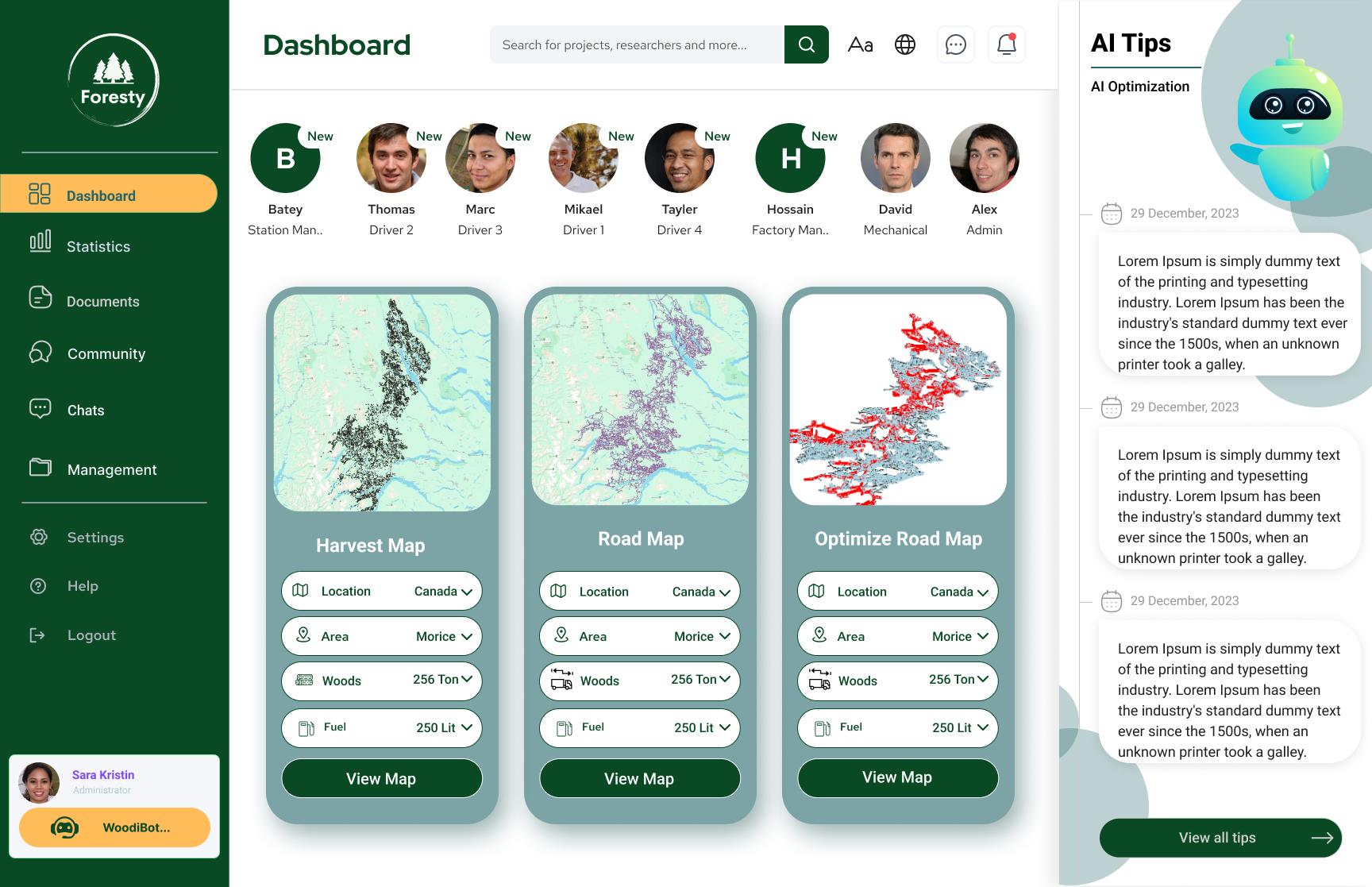

P3 proposed the inclusion of specific wood types and potential uses within the app, “ Enter the sort of wood that will be collected into the tool. You may also code for its potential use in many businesses.” They also recommended integrating climate and weather information to assist in planning, “ If it is feasible to show climate and weather information inside the application, it will assist the application management in making judgments.” Moreover, P7 appreciated the dashboard’s functionality, “ The main dashboard displays the quantity of collected industrial wood in cubic meters and tons for wood chips.” This feature provides a quick overview of productivity and resource utilization.
P4 and P5 discussed customization and advanced features such as altering the app’s logo based on the research region or tree type, and displaying forest development and potential for further harvesting. P4 noted, “ The application’s logo should be altered according to the research region[...]” while P5 highlighted, “ If the application includes the ability to display development in various regions of the forest and replace forests, it will become much more intriguing.” Also, P6 focused on the app’s potential for operational management, suggesting the inclusion of charts for daily withdrawals, truck distances, and staff presence, “ In the chart area, you may be able to include a daily withdrawal chart in the app...You may even create a chart showing the presence and absence of staff.”
Fig 12. Manager Interface Screens - Foresty Application Dashboard and Controls
Interaction Strengths and Weaknesses

Fig 13. User Interface Design and Interaction Flow
The usability test of the Foresty app highlighted several key
aspects of user interaction, including both strengths and areas
for improvement, as perceived by various prticipants. P3
speculated on the app’s impact on operations engineers, suggesting
it might reduce their necessity while still retaining a
supervisory role, “ I believe this will reduce the need for
operations engineers. Perhaps they perform a supervisory
function.” Also, P6 recommended the installation of closed-circuit
cameras for increased monitoring and independent surveillance, “
To increase monitoring, closed-circuit cameras may be
installed[...]the administrator has enough capacity to conduct
independent surveillance.”

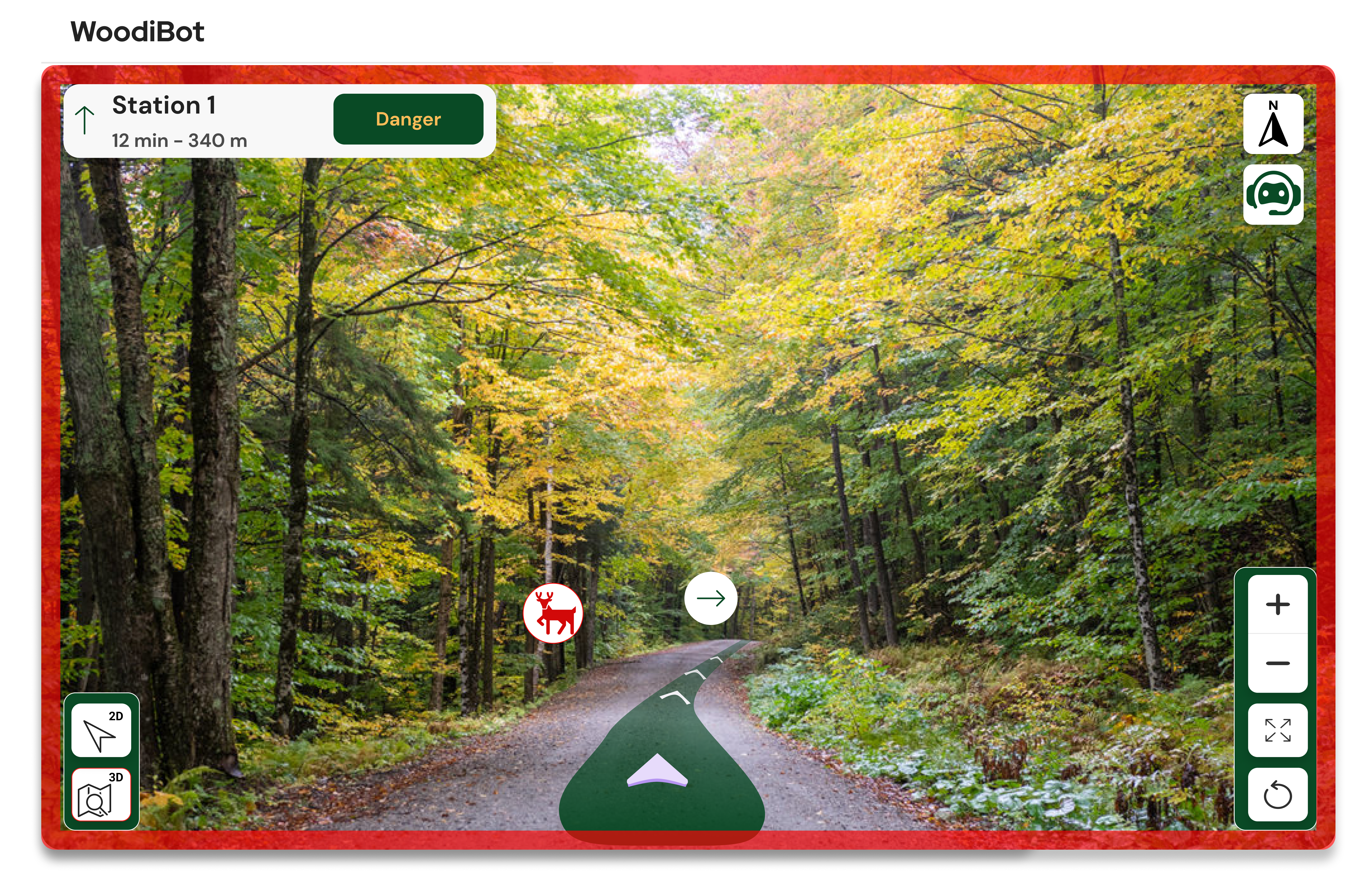

Fig 14. Driver Interface Screens - Navigation and Task Management
P1 praised the app for its potential value to main managers but
emphasized the importance of real-world testing to evaluate user
reactions and identify any limitations or errors, “ The Foresty
app can be utilized by the main manager and is quite
valuable[...]this tool should be used in the actual world to
assess people’s reactions.” Moreover, P2 pointed out the need for
a feature to report unexpected route blockages, expressing a
preference for human interaction over automated responses, “ The
program should include an option to report routes that are
blocked[...]I’d rather talk to a live person about this than a
chatbot.” Also, P3 mentioned the potential integration of
technologies like PlantNet, LeafSnap, Blossom, and PictureThis to
assist in recording significant species, suggesting an enhancement
to the app’s functionality, “ Many technologies, such as PlantNet,
LeafSnap, Blossom, and PictureThis, have been created to assist
people in recording important species[...]This program captures
the location and time of species registration.”
P5 discussed the challenge of assigning harvest points in the real world, a task that the app simplifies but is traditionally time-consuming due to the need for manual volume inventory by foresters, “ One of the tool’s benefits[...]but in the real world, this task has proven difficult.” P8 criticized the app’s voice communication features as inadequate, stressing the need for more detailed reporting of tree properties for accurate volume and cost estimations, “ In my perspective, the part of the stations where contact is done by voice is weak[...]This application should be able to report the chopped trees’ properties.” P9 and P10 offered insights into the app’s utility for different management roles, with P9 emphasizing the importance of a straightforward, user-friendly interface, “ I believe that users in the administrative and executive areas of work need a straightforward and user-friendly solution.” P10 highlighted the distinction between administrative and technical management roles, noting the necessity of on-site presence for technical managers to address operational challenges,
“ This technology allows the administrative manager to operate freely and remotely, but the technical manager must be present at the wood harvesting site.” These insights reflect a comprehensive evaluation of the Foresty app’s interaction dynamics, underscoring the need for practical features like route reporting and detailed tree property documentation. Additionally, the feedback highlights the importance of effective communication channels, surveillance capabilities, and a user-friendly interface to enhance the app’s functionality and user experience.